
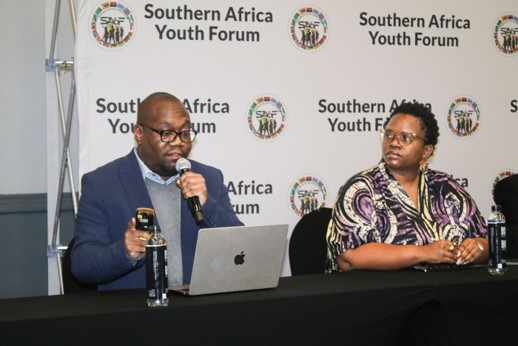
SARW advanced three policy contributions. The first concerned harmonisation, arguing that common regional standards and a coordinated negotiating position strengthen SADC’s collective bargaining capacity, and that the principle applies to food systems as directly as it does to minerals. The second addressed regional value chains, noting that the SADC Protocol on Trade and the African Continental Free Trade Area provide instruments to move seeds, fertiliser and food across borders, and that the transport corridors currently being developed for mineral exports present an opportunity to strengthen regional food distribution at the same time. The third concerned protection of the productive base, holding that trade and investment arrangements should not compromise farmland or water, and that communities living near mining operations require meaningful consultation.
The intervention also provided an opportunity to present two of SARW’s flagship initiatives directly to parliamentarians and regional institutions. The Pamoja Critical Minerals Alliance was introduced as a people-driven continental alliance of youth, women, communities, unions and faith groups advocating for the beneficiation of Africa’s minerals on the continent and for host communities to share in the value generated, with delegates invited to join during the session. AMAP was demonstrated live, with the full workflow explained from community capture of incident detail with geolocation and photographic evidence, through researcher verification, to escalation to responsible stakeholders and parliamentary oversight. It was the only operational accountability tool presented during the panel.
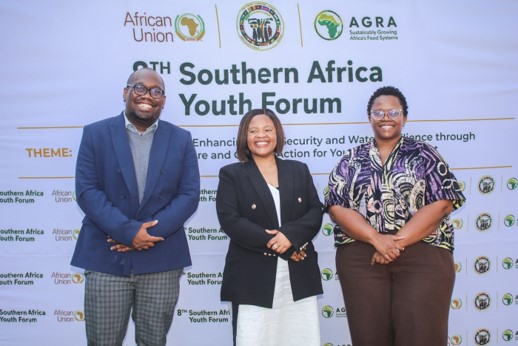
A significant outcome of the Summit was the clarity provided on how civil society and youth constituencies can engage the SADC Parliamentary Forum. The institution used the convening to name specific entry points, including standing committees, public hearings, technical working groups, model law development and masterclasses with its leadership, and reported a decision that every Plenary Assembly will include an address by a youth representative from the region. Participation is facilitated in Portuguese, French and English, which is directly relevant to SARW’s engagement in Mozambique and Angola. The Forum is also being transformed into a SADC Parliament, a transition that will shift it from a deliberative body into one exercising regional decision-making authority.
As SARW continues to expand its regional advocacy, the Summit demonstrated the value of taking mineral governance arguments into policy communities that the organisation does not usually address. Establishing extractives as a food security concern before an audience convened for agriculture and climate extended the reach of SARW’s mandate and opened institutional channels that had not previously been available. SARW is following up on participation in the Committee’s technical working group and on opportunities within the model law process, both of which offer regional influence disproportionate to organisational size.
