When Community Complaints Go Nowhere
One participant described how communities may report environmental harm or other concerns linked to mining to responsible institutions, yet see their complaints lose momentum before any meaningful response is secured. Participants alleged that corruption and improper influence can sometimes contribute to this failure.
The account was shared as lived experience, not as a verified finding against a named company or institution. But it explained why independent, carefully documented evidence matters. A report supported by dates, locations, photographs, testimony and corroborating information is more difficult to dismiss than an undocumented complaint.
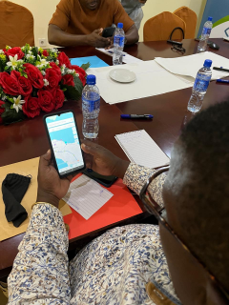
Learning the Platform by Using It
Phones, notebooks and flipchart sheets became working tools throughout the two-day training. Participants created AMAP accounts, practised categorising incidents, entered mine-related information, tested map features and reviewed how reports appear inside the platform.
The practical sessions turned AMAP from an abstract digital tool into a reporting workflow: observe, document, locate, verify and submit.
Journalism Meets Community Accountability
In a recorded interview, one monitor described becoming involved in accountability work through a dispute concerning compensation for community land. After community members said they had not been fairly compensated, the monitor gathered information and worked with media colleagues to bring the issue into the public domain while avoiding being exposed as the author.
The story captured the connection between journalism and community monitoring: both require listening, gathering evidence, protecting people at risk and communicating clearly enough for institutions to act.
From Pemba to the Community
Participants kept returning to one practical lesson: credible monitoring cannot stay inside a training room. Monitors must go into communities, listen directly to affected people and ground every report in what they see, hear and verify.
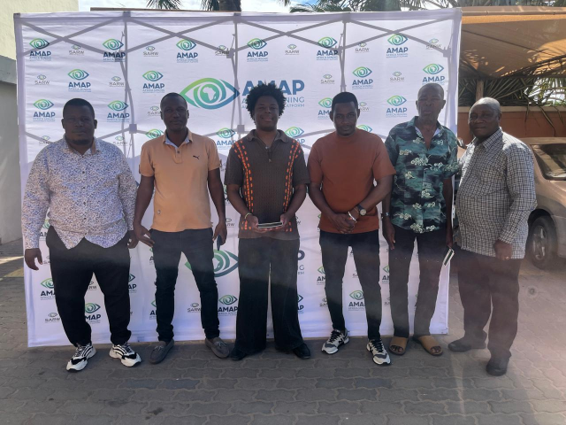
The six monitors now connect AMAP to districts across Cabo Delgado, Manica and Nampula. Their role is to help make community experience visible through ethical, verified and evidence-based reporting.
What Comes Next
- Each monitor will prepare a coached pilot report from their district.
- SARW will continue support on consent, verification, source protection and escalation.
- Portuguese-language guidance will be strengthened for field use.
- Monitoring will move beyond the venue into priority mining communities.
- Potential cases will be followed up only where consent and sufficient evidence are in place.
Community evidence is not only information. It is how people closest to extraction enter the public record on their own terms. Pemba showed what that looks like in practice: a source protected, a complaint examined, a missing community voice identified, and six monitors deciding that from now on, there will be proof.