When Community Complaints Go Nowhere One participant described how communities may report environmental harm or…

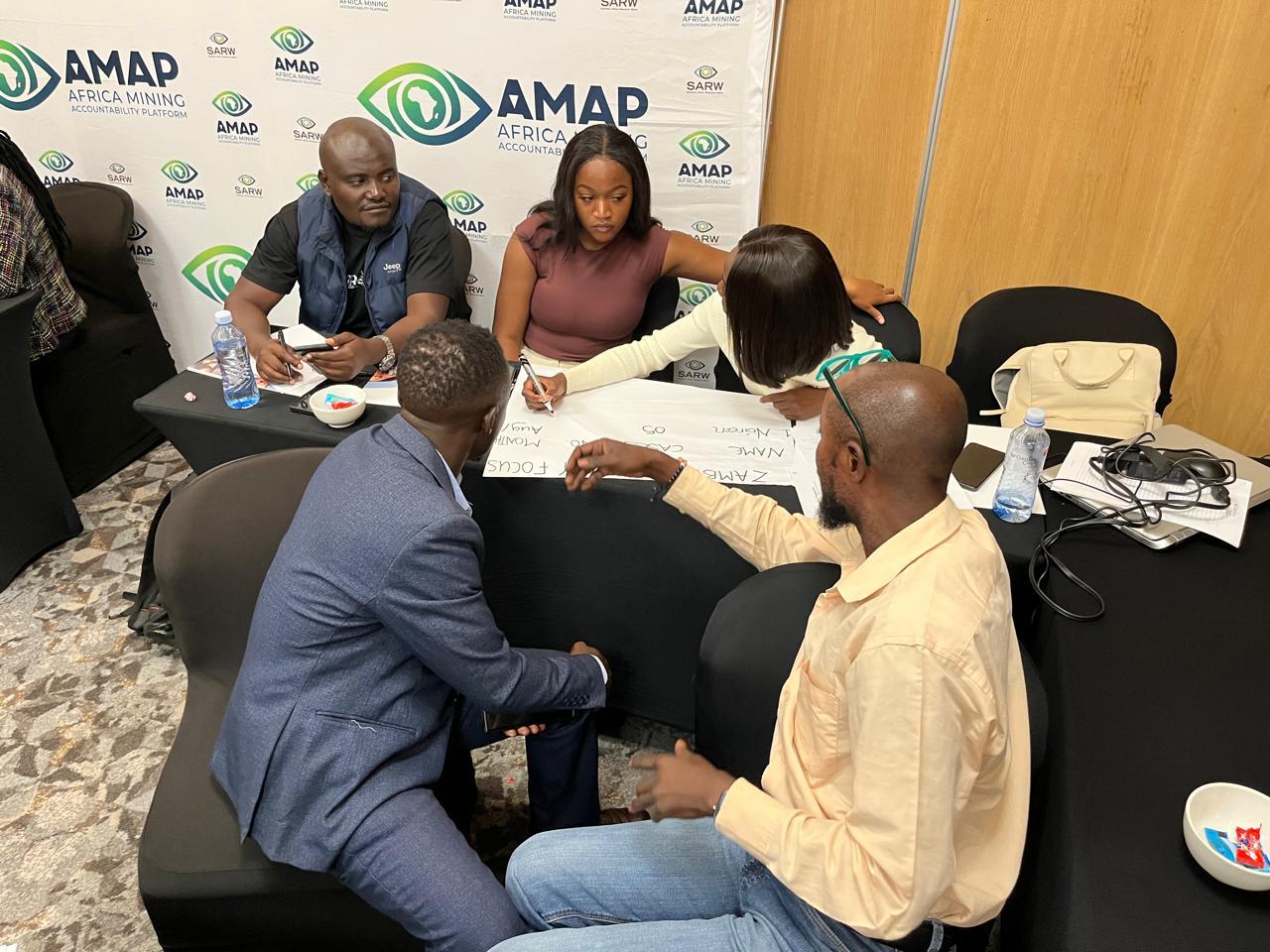
A key outcome of the convening was the increased understanding among community reporters of what constitutes effective and advocacy-oriented reporting. Participants gained greater clarity on the importance of collecting accurate, detailed and verifiable information, including the types of evidence required to strengthen community claims and increase the credibility of reported concerns. This strengthened their ability to use AMAP not only as a reporting tool, but as a mechanism for amplifying community voices and influencing conversations around responsible mining.
The training also reinforced that effective advocacy begins with credible evidence. By supporting community reporters to improve their documentation skills, understand verification processes and appreciate the importance of responsible information sharing, AMAP is helping communities move from isolated experiences of harm towards organised, evidence-based advocacy. Beyond strengthening technical skills, the convening fostered regional connections among community monitors working in different mining contexts. The exchange of experiences helped participants identify shared challenges, learn from one another’s strategies and recognise the value of collective community-driven accountability efforts across Southern Africa.

As SARW continues expanding AMAP across the region, the platform remains more than a digital reporting application. It is an advocacy mechanism that strengthens transparency, supports community participation in governance processes and provides civil society actors, policymakers and other stakeholders with credible information to advocate for improved mining practices and greater corporate accountability.