

When Community Complaints Go Nowhere One participant described how communities may report environmental harm or…
Day 1 — The Case That Wouldn’t Let the Room Move Om
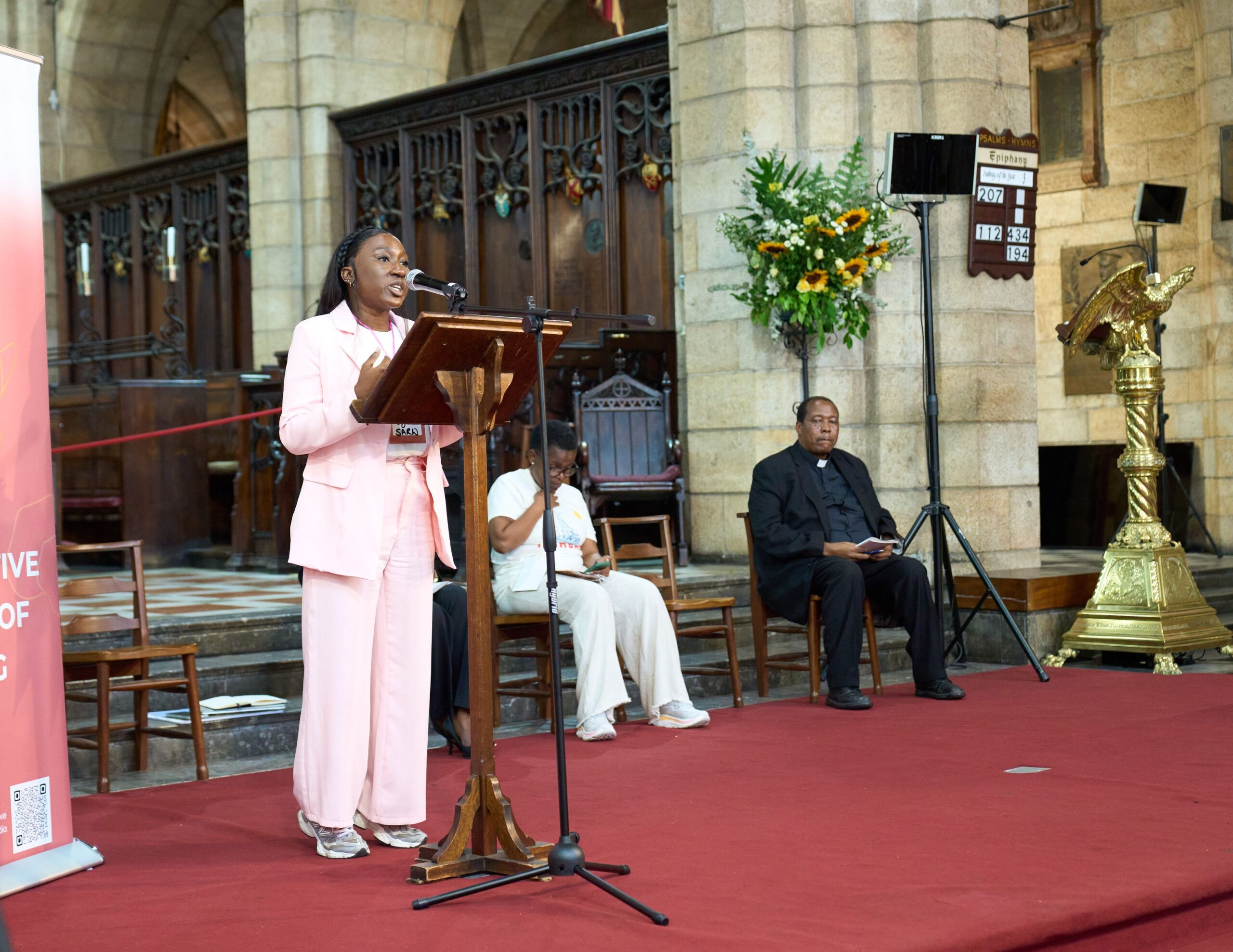
At the official opening of AMI 2026, SARW was requested to contribute a framing intervention grounded in a live governance case.
The contribution centred on the Chambishi / Kafue tailings failure as a continental accountability issue.
On 18 February 2025, a tailings facility operated by Sino-Metals Leach Zambia Ltd failed on Zambia’s Copperbelt. Approximately 50,000 tonnes of toxic mine waste entered the Kafue River. An estimated 300,000 households depend on the basin for water, irrigation, fisheries and livelihoods.. The contamination crossed into Zimbabwe, Angola, Namibia, Botswana and Mozambique — indifferent, as rivers always are, to national borders.
Delivered by Kudzwai Gokova on behalf of SARW, the intervention positioned the case as structural rather than incidental.
Kudzwai framed it clearly:
This was not a tragedy. It was a structural failure. A failure of engineering oversight. A failure of regulatory enforcement. A failure of risk communication. And a complete absence of cross-border monitoring architecture.
The intervention reframed the discussion from incident response to governance design. The question placed before the AMI plenary was not how the failure occurred, but what regulatory architecture should have prevented it — and why it did not exist.
The Chambishi case then became a reference point across the remainder of AMI: — at the SARW pavilion demonstrations, During the mine waste technical training, In Steering Committee drafting sessions, Within the final Memorandum language submitted to the CTICC and in the final march.
| 50K
tonnes of toxic waste |
300K
households affected |
5
countries impacted |
1
governance failure |