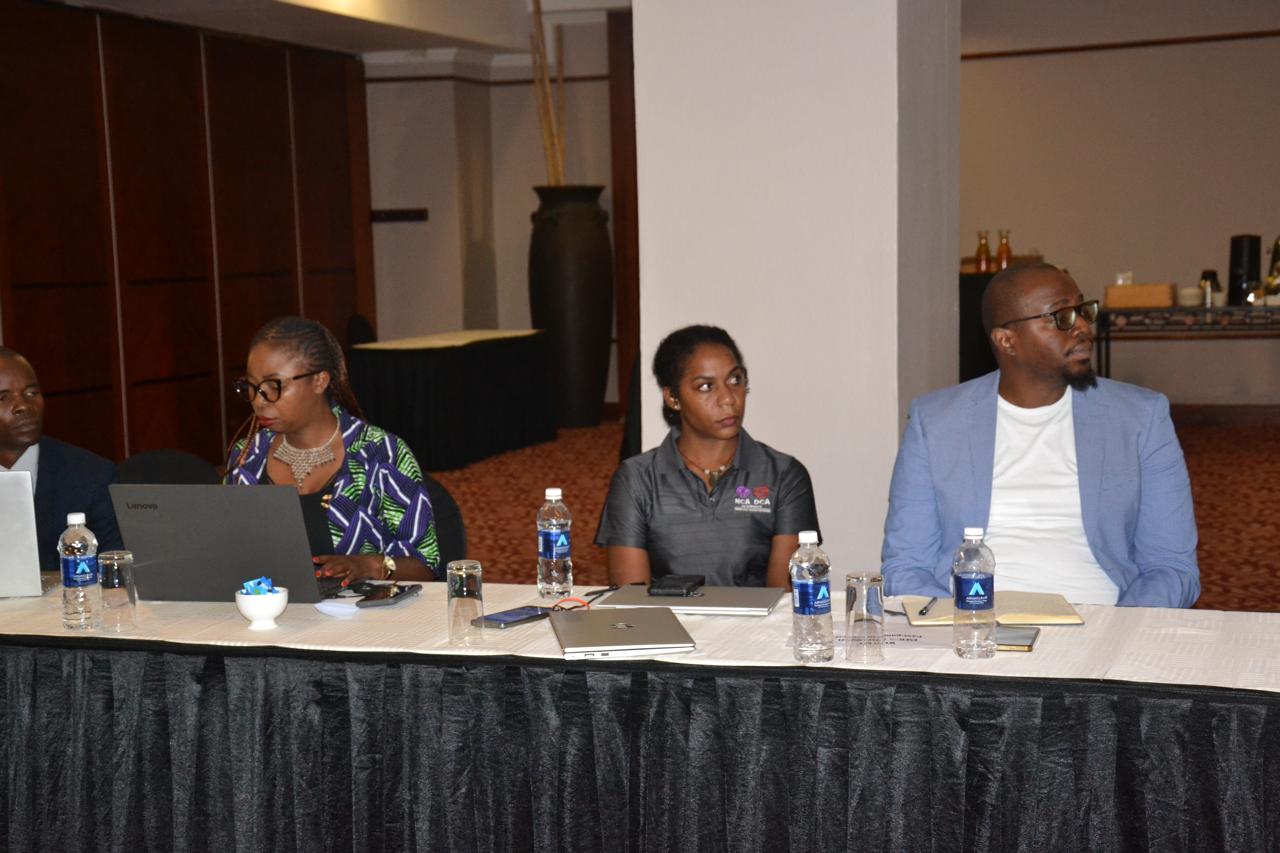
When Community Complaints Go Nowhere One participant described how communities may report environmental harm or…

The research assessed how major mining companies are shaping and advancing beneficiation within critical mineral value chains as extraction expands across Africa to meet the growing demand for renewable energy. Beyond fiscal contributions to the state, the study explores how mining companies can contribute effectively to local development and uphold the human rights of mining host communities. Central to this work is the recognition that access to water, housing, healthcare, education, energy, social protection and decent work are a matter of rights, dignity and democratic stability.
Recent stakeholder engagements in Zimbabwe and Zambia have reinforced a key finding: despite the strategic importance of critical minerals, communities located at the heart of extraction continue to experience exclusion from decision-making, weak accountability for social investments and limited avenues to raise and resolve grievances. Without clear policy direction and stronger coordination between companies, government and local authorities, mining risks reproducing old extractive models under the guise of a green transition.
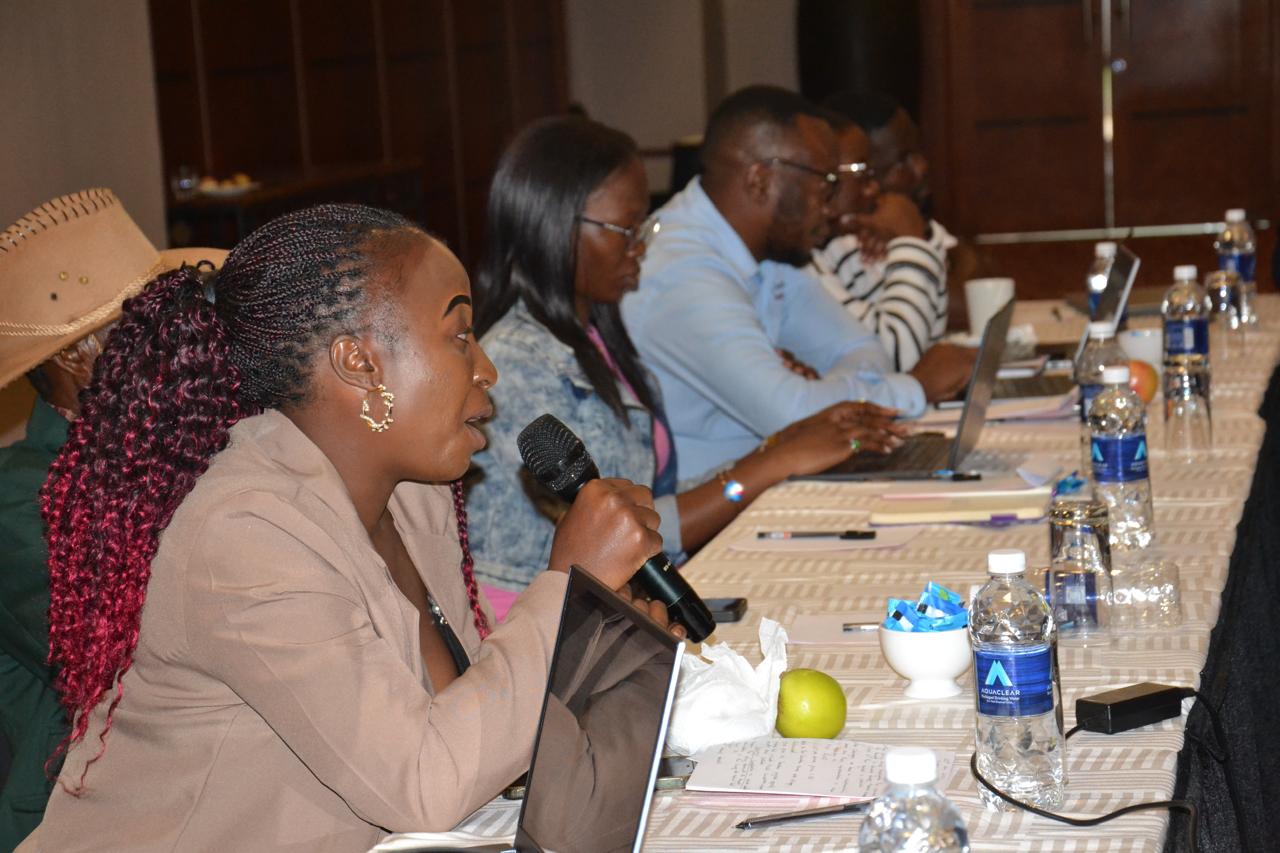
Key observations from the deliberations included:
- Weak linkages between green mineral extraction and local development, underscoring persistent community development challenges.
- Gaps in transparency and coordination across sectors, particularly around mining companies’ social investments and local government responsibilities.
- Limited community participation in defining their own development priorities and articulating what a just energy transition means in their contexts.
- The absence of clear government policy frameworks to guide mining social investments in line with a just and developmental energy transition.
- Weak grievance redress mechanisms across most mining operations.
The final research outputs, to be published in the coming months, will translate this evidence into actionable recommendations for policymakers, mining companies, development partners, parliamentarians, local authorities and communities. In response to the abovementioned gaps, SARW will leverage this research as an advocacy tool to influence policy, practice and accountability across the mining sector. SARW will engage national and regional policymakers to advance clear frameworks that guide mining social investments towards rights-based, development-oriented outcomes aligned with the Just Energy Transition. The organisation will also work with mining-affected communities and civil society partners to strengthen community agency, enabling communities to better articulate development priorities, demand transparency and utilise grievance redress mechanisms. Through convening, evidence-based advocacy and strategic engagement with mining companies, local authorities and development partners, SARW aims to shift extractive models away from ad hoc corporate social responsibility towards structured, accountable and community-driven development approaches that deliver tangible benefits for current and future generations.